

Understanding the psychology behind gambling What drives the thrill
The Allure of Risk
The thrill of gambling often lies in the risk associated with it. The very nature of placing a bet invokes a sense of excitement and anticipation, as players become invested not only in the outcome but also in the stakes involved. This adrenaline rush can be compared to extreme sports or other high-stakes activities where the potential for loss amplifies the emotional experience. The unpredictability of the outcome further intensifies this allure, as players find themselves on the edge of their seats, waiting to see if fortune favors them. For those interested in exploring online platforms, Karhubet offers a fantastic selection of games.
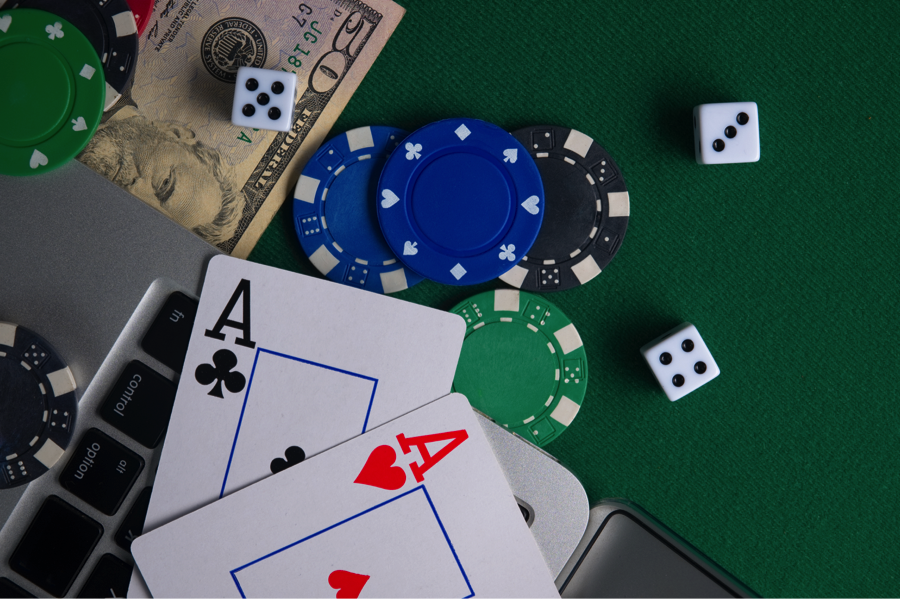
Moreover, psychological factors such as the potential for a significant financial reward can heighten the thrill of gambling. The brain’s reward system is activated when a player wins, leading to the release of dopamine, a neurotransmitter that plays a crucial role in pleasure and motivation. This biochemical response reinforces the behavior, creating a cycle where the excitement of risk becomes increasingly appealing. Over time, players may find themselves chasing these high moments, which can lead to a continuous engagement in gambling activities.
This attraction to risk isn’t purely about the financial benefits; it often transcends into a social experience. Many individuals enjoy gambling as a communal activity, where the shared thrill of the game amplifies the excitement. Whether at a casino or online, the social dynamics involved can create a sense of belonging, which further deepens the psychological connection to gambling. These factors combined contribute to why many individuals are drawn to gambling, despite the risks involved.
The Role of Cognitive Biases
Cognitive biases significantly influence how individuals perceive and engage in gambling. One prevalent bias is the illusion of control, where players believe they can influence the outcome of games that are fundamentally random, such as slot machines or dice games. This misconception often leads to excessive gambling as players increase their bets, convinced that their choices can alter results. This psychological fallacy can lead to a distorted sense of reality and potentially harmful gambling behaviors.
Another cognitive bias that plays a critical role in gambling psychology is the gambler’s fallacy. This is the mistaken belief that previous outcomes affect future results in games of chance. For instance, if a player experiences a series of losses, they may think they are ‘due’ for a win, prompting them to continue betting despite unfavorable odds. Such biases create a false narrative around gambling, often leading individuals to chase losses or engage in prolonged gambling sessions that are detrimental to their financial well-being.
Understanding these cognitive biases is crucial, as they provide insight into why many individuals find themselves entangled in harmful gambling behaviors. Awareness of such psychological pitfalls can help players make more informed decisions and potentially mitigate the risks associated with gambling. Recognizing that luck is inherently random can foster healthier engagement with gambling, allowing for enjoyment without the detrimental consequences of misguided beliefs.
Emotional Drivers and Escape
The emotional landscape of gambling is complex and multifaceted. Many individuals are drawn to gambling as a form of escape from the stresses of everyday life. The excitement and distraction provided by gaming can serve as a temporary relief from anxiety, depression, or other emotional challenges. In this context, gambling becomes not just a form of entertainment, but a coping mechanism for dealing with life’s pressures. The thrill derived from gambling can create a sense of euphoria that individuals may find difficult to replicate in their daily lives.
This emotional connection can create a cycle where individuals turn to gambling more frequently to escape their problems, often leading to compulsive behaviors. The feelings of excitement and euphoria associated with winning can be intoxicating, driving players to seek that high repeatedly. Conversely, losing can evoke feelings of frustration and despair, compelling players to gamble more in hopes of recouping losses. This emotional rollercoaster can make it challenging for individuals to step back and evaluate their gambling habits objectively.
Furthermore, the emotional aspects of gambling often intertwine with social environments, where friends and family can either encourage or discourage participation. In many cases, gambling is normalized in social settings, further entrenching its role as a coping mechanism. As individuals seek social connections through gambling, they may overlook the potential for negative emotional and financial consequences, perpetuating a cycle of escape that can be difficult to break.
Social and Cultural Influences
The social and cultural context in which gambling occurs plays a significant role in shaping attitudes and behaviors towards it. In some societies, gambling is celebrated and integrated into social customs, making it more appealing and acceptable. Events such as horse racing, lotteries, and even poker nights can foster a community spirit, where individuals come together to engage in a shared experience. This cultural acceptance can significantly impact an individual’s likelihood to participate in gambling activities, further driving the thrill associated with it.
Conversely, in cultures where gambling is stigmatized, individuals may engage in it more discreetly, often heightening the thrill associated with the act of doing something perceived as taboo. The secretive nature can amplify the emotional stakes involved, as players navigate their desires against societal norms. This tension can create an adrenaline rush akin to rebellion, adding another layer to the psychological experience of gambling.
Moreover, social factors such as peer pressure and family traditions can heavily influence individual behaviors. When friends or family participate in gambling, the likelihood of an individual joining increases significantly. Social validation can enhance the thrill, as individuals feel a sense of belonging while engaging in these activities. Understanding these social and cultural influences provides deeper insight into the psychological factors that drive the thrill of gambling.

Karhubet Casino: A Modern Gaming Experience
Karhubet Casino embodies the excitement of online gambling, offering a platform that caters specifically to Finnish players. With over 3,000 games available, including popular slots and live dealer experiences, it presents a diverse array of options for players seeking entertainment. The user-friendly interface allows players of all experience levels to navigate seamlessly, enhancing their overall gaming experience. This accessibility is crucial for engaging a wide audience, making it easier for new players to join in on the thrill of gambling.
The casino’s welcoming bonus of 150 free spins on the Gates of Olympus game is an enticing offer for newcomers, providing an excellent starting point for those looking to explore the platform. Such promotions can create a buzz among potential players, encouraging them to experience the excitement without an initial financial commitment. This strategy not only enhances player engagement but also aligns with the psychological motivations discussed earlier, amplifying the thrill factor.
In summary, Karhubet Casino successfully captures the essence of what drives the thrill in gambling, blending psychological insights with an engaging gaming experience. As players embark on their gaming adventures, they can enjoy the excitement of risk, the allure of winning, and the communal aspects of gambling—all within a secure and enjoyable environment.


